资料:Zhang Qiaoli uses her spare bedroom for storing her stock of ladies’ fashion-wear and photo shoots. She is one of more than five million small online stores operating across China, some from small apartments or even college dormitories. She buys dresses and accessories wholesale; at prices under $5, using the website Taobao, she sells them on as the Kitty Lover at prices under $10.
Taobao is owned by Chinese e-commerce giant Alibaba and the brainchild of founder Jack Ma. It is a free-to-use online marketplace with some 800 million product lines - from food to clothes to technology.
Across China, online companies large and small are learning how to be effective e-commerce players - or fail like US goliath eBay , which was trounced by upstart Taobao back in 2006.
In 2010, China's online shopping industry had a turnover of $80bn, and grew 87% year-on-year.
China's 420 million internet users spend around a billion hours each day online - and last year, 185 million made at least one online purchase. According to Boston Consulting Group, the volume is expected to increase fourfold by 2015.
E-commerce is changing the way Chinese consumers think about shopping: online, it is more social than a hard sell. It's a new engaging experience to savor.
In Chinese retail, trust is a rare commodity. There are plenty of fakes online, and buyers are often cursed by scams or shoddy goods. Still, consumer faith in e-commerce stores is remarkably robust. That's because, apart from its convenien online shopping has shifted the balance of power from sellers to buyers. Online shopping in China is more than clicking on the "buy" button. The experience includes exchanging tips with other shoppers, discussing trends, and rating both products and service.
The interaction and communication generates trust.
“The ability of social networking combined with e-commerce or social commerce as I like to call it-where people are able to rate their providers, provide information to other purchasers-that level of experience is really overcoming the big weaknesses says Duncan Clark, Chairman of BDA(china), an expert on China's e-commerce industry.
“Basically, there is a one-to-one connection being established. And that's breaking through the mistrust barrier if you will. So I think we can learn,actually-the West can learn from some of the developments happening in the Chinese e-commerce sector," says Mr Clark.
Why is consumer faith in e-commerce still faith despite the prevalent fake goods online?
本题考查的是细节理解。
【关键词】why; consumer faith; robust;fake goods online
【主题句】第六段There are plenty of fakes online...Still, consumer faith in e-commerce stores is remarkably robust. That's because, apart from its convenience, online shopping has shifted the balance of power from sellers to buyers. Online shopping in China is more than clicking on the "buy" button. The experience includes exchanging tips with other shoppers, discussing trends, and rating both products and service.(网上有很多假货……然而消费者对于电子商务的信任依然非常坚挺。那是因为除了它的便利性,网上购物已将力量平衡从商家转移至买家。中国的网上购物不仅仅是点击一下“购买”键。这种体验还包括了和其他买家交流秘诀,探讨趋势并且给商品服务评分。)
【解析】本题问“为什么网上假货泛滥,消费者对电子商务的信任依然坚挺?”。选项A意为“因为网上有更多的选择”;选项B意为“因为消费者通过在线购物获得更多的权力”;选项C意为“因为关于在线购物的法规很快就会改善”;选项D意为“因为还有很多合格的商品和值得信赖的网店”。根据文章第6段的内容(主题句),可知B项符合原文,即消费者通过网上购物获得了更多的权力。A、C、D项原文未提及。
下列关于公司的表述,正确的是()
以下各项列举了我国常见气象灾害与其发生地区的对应关系,其中正确的一项是()
根据电视收视率调査,看体育节目的观众中青年人比中老年人要多。
由此可推断出()
—种海洋蜗牛产生的毒素含有多种蛋白,把其中的一种给老鼠注射后,会使有两星期大或更小的老鼠陷入睡眠状态,而使大一点的老鼠躲藏起来。当老鼠受到突然的严重威胁时,非常小的那些老鼠的反应是呆住,而较大的那些老鼠会逃跑。
以上陈述的事实最有力地支持了以下哪项假说?()
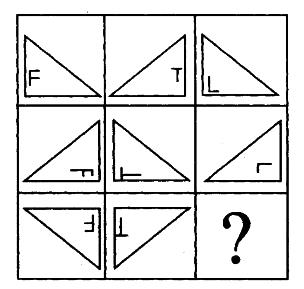
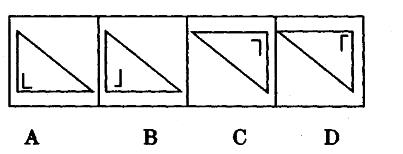
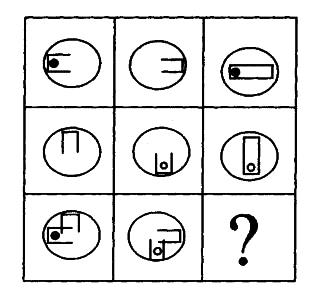
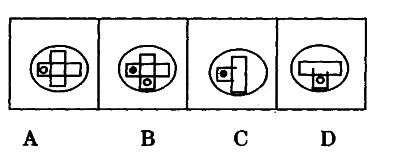



疾病控制中心对某校髙中三个年级的学生进行抽样做视力状况调查,抽样的方法为分层抽样(按比例抽样),若高中一、二、三年级学生人数分别为626、703、780,样本容量为84,则应从离二年级抽样的学生人数为多少?()