资料:Seeking to end a stalemate in negotiations over her country’s withdrawal from the European Union, Prime Minister Theresa May of Britain offered Friday substantial payments to the bloc during a two-year transition period immediately after the country’s exit.
Mrs. May’s long-awaited intervention, during a speech in Florence, Italy, was being watched closely in capitals on the Continent and in London, where members of her cabinet have been fiercely divided over Britain’s tortuous divorce from the bloc. The speech aimed to open the way to serious negotiations on what is commonly known as Brexit, and to a broader and more productive discussion about Britain’s relationship with the bloc.
However, while offering some concessions designed to do that, Mrs. May did not give any fresh insight into the type of ties she ultimately wants Britain to have to the bloc-a question that divides her cabinet and her Conservative, or Tory, Party.
The European Union’s chief negotiators, Michel Barnier, issued a cautious response, saying in a statement that, “We look forward to the United Kingdom’s negotiators explaining the concrete implications of Prime Minister Theresa May’s speech. Our ambition is to find a rapid agreement on the conditions of the United Kingdom’s orderly withdrawal, as well as on a possible transition period.”
Although Britain is scheduled to exit the European Union in 2019, there has been little progress in talks since March, when London formally announced its intention to leave. Brussels is insisting that Britain agree to the terms of the divorce before discussing future trade ties, while the British would like to do both simultaneously.
In light of the continuing standoff, many business worry about a “cliff edge” scenario, in which Britain would crash out without a deal, so Mrs. May is under pressure to find a way out of the impasses. Speaking in Florence on Friday, Mrs. May did not say precisely how much money Britain would continue to contribute to the European Union. But she made a significant promise that the British-who are big net contributors to the bloc-would not leave a hole in the union’s budget in 2019 and 2020.
“I do not want our partners to fear that they will need to pay more or receive less over the remainder of the current budget plan as a result of our decision to leave.” Mrs. May said. That would probably mean payments of around 20 billion euros, or about $24 billion, after Britain’s departure. It would also effectively maintain the state quo for the duration of a two-year transition period, meaning that Britain would allow the free movement of European workers and accept rulings from the European Court of Justice. This alone is unlikely to be enough to satisfy the 27 other member nations, but Mrs. May hinted that she would be willing to go further and “honor commitments we have made during the period of our membership.”
In addition, Mrs. May proposed a security partnership with the European Union, stressing Britain’s importance as a defense power, and also offered new legal safeguards to guarantee the rights of European Union citizens in Britain after Brexit.
Over all, Mrs. May sought to stress the common interest London shares with continental European capitals in reaching an agreement and avoiding disruption to trade, wrapping her odder in dialogue that was more positive, and less antagonistic, than that of some previous interventions.
European Union negotiators have refused to talk about post-Brexit ties until they judge that there is “sufficient progress” on the issues they consider a priority. the states of European Union citizens in Britain after it leaves, the border between Ireland and Northern Ireland(which is a part of the United Kingdom)and Britain’s financial commitments to the bloc.
There is little sign yet that the other 27 nations are prepared to grant Britain a bespoke agreement, and officials have warned London on numerous occasions that there would be no “cherry picking” of the parts of European Union membership it likes.
Theresa May’s speech mentioned the fo
本题考查细节理解。
【关键词】Theresa May’s speech; mentioned the following things; except
【主题句】
(1)第八段In addition, Mrs. May proposed a security partnership with the European Union, stressing Britain’s importance as a defense power, and also offered new legal safeguards to guarantee the rights of European Union citizens in Britain after Brexit. 此外,梅夫人还提出了与欧盟的安全伙伴关系,强调英国作为国防力量的重要性,并提供了新的法律保障措施,以保证脱欧后在英国的欧盟公民的权利。
(2)第七段最后一句May hinted that she would be willing to go further and “honor commitments we have made during the period of our membership.” 但梅夫人暗示她愿意进一步去“兑现我们在成员期间所做的承诺”。
(3)第九段Over all, Mrs. May sought to stress the common interest London shares with continental European capitals in reaching an agreement and avoiding disruption to trade…总之,梅夫人试图强调伦敦与欧洲大陆各国在达成协议时要顾及共同利益,并避免贸易中断。
(4)第七段“I do not want our partners to fear that they will need to pay more or receive less over the remainder of the current budget plan as a result of our decision to leave.” Mrs. May said. That would probably mean payments of around 20 billion euros, or about $24 billion, after Britain’s departure. “我不希望我们的合作伙伴担心,由于我们决定离开,他们需要支付更多费用或者减少当前预算计划的余额。”梅夫人说。这可能意味着在英国离开后支付约200亿欧元,约合240亿美元。
第六段Speaking in Florence on Friday, Mrs. May did not say precisely how much money Britain would continue to contribute to the European Union. 梅夫人星期五在佛罗伦萨发表讲话时并没有具体说明英国将继续为欧盟贡献多少钱。
【解析】题目意为“特瑞莎?梅的演讲提到了以下事件,除了_____?”选项A意为“在英国和欧盟‘离婚’后,在英国的欧盟公民的权利将得到保护”;选项B意为“英国人愿意继续履行他们在入会期间所作的承诺”;选项C意为“英国与欧盟的良好贸易关系符合双方的利益”;选项D意为“英国将在过渡时期向欧盟提供200亿欧元”。根据主题句,梅夫人表示不希望因为英国脱欧导致合作伙伴担心,但是文章中并没有明确说明英国将在过渡期支付200亿欧元。因此选项D与题意相符。
下列关于公司的表述,正确的是()
以下各项列举了我国常见气象灾害与其发生地区的对应关系,其中正确的一项是()
根据电视收视率调査,看体育节目的观众中青年人比中老年人要多。
由此可推断出()
—种海洋蜗牛产生的毒素含有多种蛋白,把其中的一种给老鼠注射后,会使有两星期大或更小的老鼠陷入睡眠状态,而使大一点的老鼠躲藏起来。当老鼠受到突然的严重威胁时,非常小的那些老鼠的反应是呆住,而较大的那些老鼠会逃跑。
以上陈述的事实最有力地支持了以下哪项假说?()
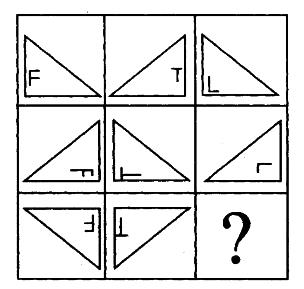
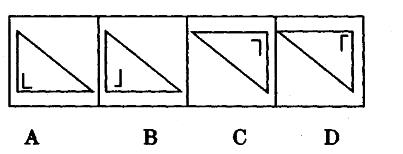
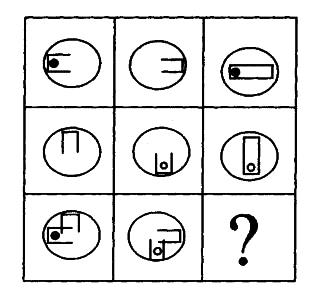
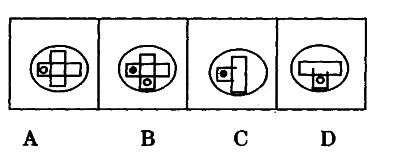



疾病控制中心对某校髙中三个年级的学生进行抽样做视力状况调查,抽样的方法为分层抽样(按比例抽样),若高中一、二、三年级学生人数分别为626、703、780,样本容量为84,则应从离二年级抽样的学生人数为多少?()